
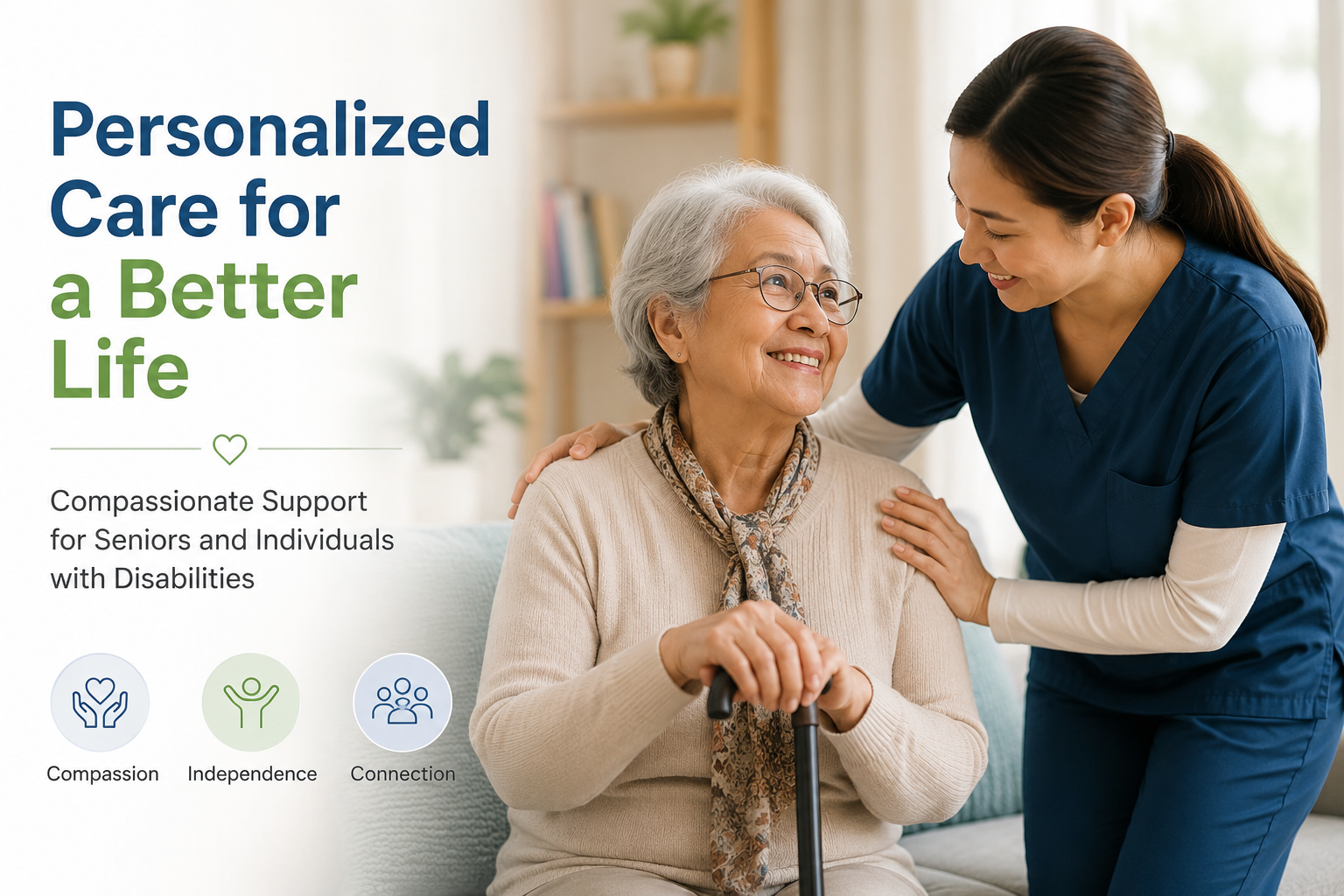
Providing care for seniors and individuals with disabilities goes far beyond meeting basic daily needs. It’s about creating a supportive environment where each person feels valued, independent, and connected. Personalized home care has become one of the most effective ways to ensure comfort, dignity, and long-term well-being.
Why Personalized Care Matters
Every individual has different physical, emotional, and social needs. A one-size-fits-all approach simply doesn’t work in caregiving. Personalized home care focuses on understanding each person’s lifestyle, health conditions, and preferences to build a care plan that truly fits their life.
This approach helps individuals maintain their routines, stay in familiar surroundings, and feel more in control of their daily lives. Whether it’s assisting with mobility, managing medications, or supporting emotional health, tailored care ensures better outcomes and higher satisfaction.
Supporting Independence at Every Stage
One of the biggest benefits of personalized care is that it promotes independence. Instead of doing everything for the individual, caregivers provide the right level of support to help them perform daily activities confidently.
Simple tasks like dressing, preparing meals, or maintaining personal hygiene can become empowering when guided with patience and encouragement. Over time, this builds confidence and helps individuals maintain a sense of purpose in their lives.
Enhancing Physical and Emotional Well-being
Personalized home care doesn’t just focus on physical health—it also prioritizes emotional well-being. Seniors and individuals with disabilities often face loneliness or isolation, which can affect their mental health.
Caregivers play a vital role in creating meaningful connections through conversation, companionship, and engaging activities. Regular interaction, combined with structured routines, helps reduce stress, anxiety, and depression.
Additionally, personalized care plans often include light physical activities such as walking, stretching, or simple exercises that improve mobility and overall health.
Creating a Safe and Comfortable Environment
Safety is a key concern in home care. Personalized support includes identifying potential risks in the home and making necessary adjustments to prevent accidents.
From ensuring proper lighting and clear walkways to assisting with mobility and daily tasks, caregivers help create a secure environment where individuals can live comfortably without constant worry.
This not only protects physical health but also gives families peace of mind knowing their loved ones are in safe hands.
Building Stronger Family Support Systems
Home care is not just about the individual—it also supports families. Caring for a loved one can be overwhelming, especially when balancing work and personal responsibilities.
Professional caregivers provide reliable assistance, allowing families to focus on spending quality time together instead of managing constant caregiving tasks. This creates a healthier balance and strengthens relationships.
Encouraging Social Engagement and Community Connection
Staying socially active is essential for maintaining a positive outlook on life. Personalized care often includes activities that encourage interaction, creativity, and participation.
Whether it’s joining community programs, engaging in hobbies, or simply spending time outdoors, these activities help individuals feel connected and included. Social engagement boosts confidence and contributes to long-term happiness.
Conclusion
Personalized home care is more than just support—it’s a pathway to a better quality of life. By focusing on individual needs, promoting independence, and nurturing emotional well-being, it creates a foundation for comfort, confidence, and dignity.
For families seeking reliable and compassionate care, choosing a personalized approach ensures their loved ones receive the attention and respect they truly deserve.


